History
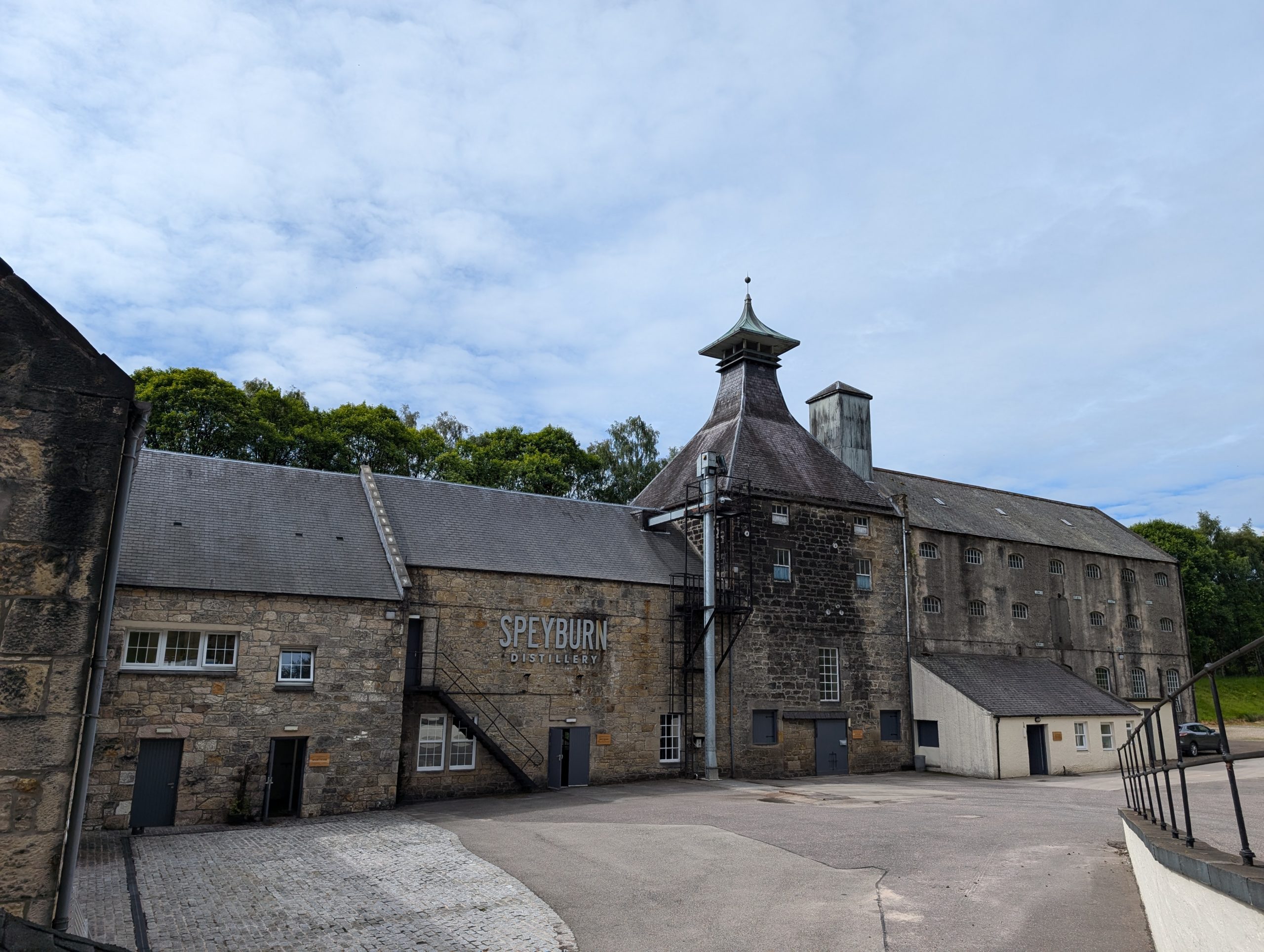
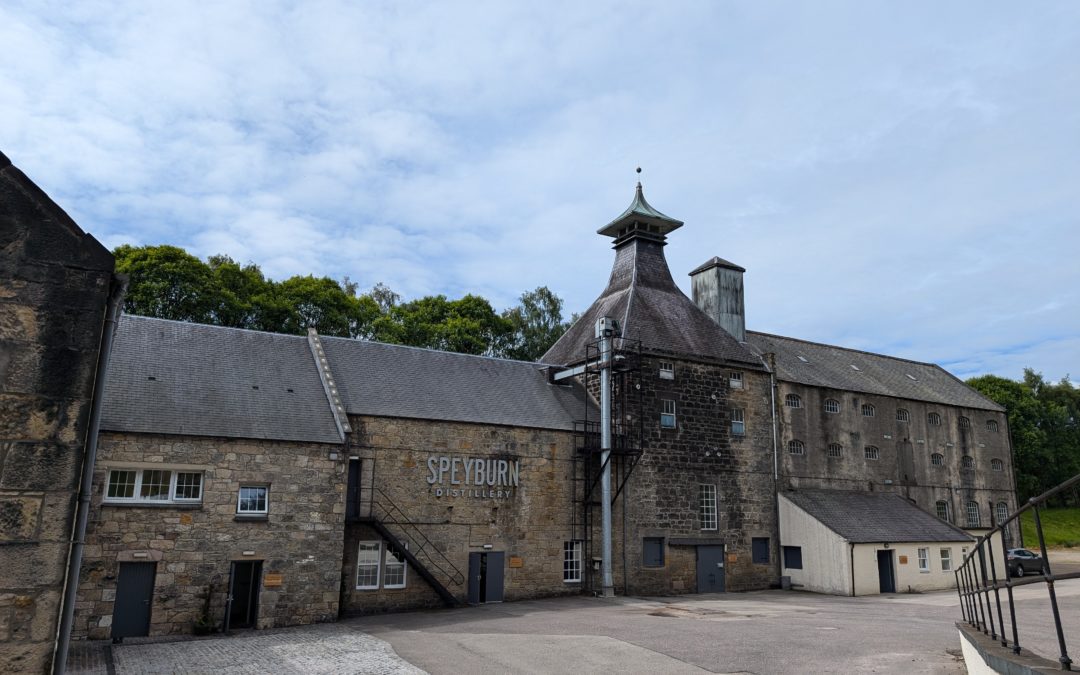
Speyburn Distillery was founded in 1897 by John Hopkins, a former manager of Drambuie, and was built during the height of the late-Victorian whisky boom. Construction was famously rushed to ensure production could begin in time for Queen Victoria’s Diamond Jubilee, with whisky reportedly flowing from the stills before the distillery buildings were fully completed.
Situated near the Granty Burn, a tributary of the River Spey, Speyburn has long benefited from a reliable water source and a relatively secluded location. Over the decades, the distillery has changed ownership several times and today is owned by Inver House Distillers. Despite modernisation in parts of the operation, Speyburn has retained a number of traditional features that are increasingly rare in Speyside, contributing to its clean, bright, and slightly waxy spirit character
Tour
The tour itself was excellent, rich in both historical context and technical detail. One of the standout moments was the opportunity to see the old malting facility, including the hot air drum maltings, an evocative reminder of a time when distilleries were far more self-contained in their production processes.
In the mash house, we were shown the impressive 6.25-ton mash tun, which plays a key role in extracting a clear, fermentable wort that underpins Speyburn’s light and elegant new make spirit. The fermentation stage was equally interesting, with both traditional wooden washbacks and modern stainless-steel washbacks in use, offering a useful comparison of old and new approaches within the same distillery.
The still house was a particular highlight. Speyburn employs pot stills equipped with worm tubs, a feature now relatively uncommon in Speyside and more often associated with heavier styles. Notably, Speyburn combines this with shell-and-tube condensers, resulting in a nuanced spirit that balances weight and brightness rather than leaning fully in one direction. This hybrid approach helps explain the distillery’s distinctive house style.
Tasting
The tasting concluded with a comprehensive sampling of Speyburn’s core range:
- Speyburn 10 Year Old: affectionately described during the tour as a “breakfast whisky” due to its light, fresh, and gently savoury profile. Its balance, approachability, and subtle complexity left a strong impression and has since become one of my favourite Speyside single malts.
- Speyburn 15yo and 18yo: each adding greater depth, oak influence, and maturity while retaining Speyburn’s signature elegance.
- Rum Cask Finish: offered a contrasting profile, introducing tropical sweetness and spice without overwhelming the underlying distillery character.
Speyburn may not always command the same attention as some of its Speyside neighbours, but this tour made it clear that it deserves far more recognition. From its preserved traditional equipment to its thoughtfully structured tasting, the experience was both educational and rewarding, an excellent representation of Speyside whisky craftsmanship, past and present. Don’t hesitate to check their website to book your tour!
Historia
Speyburn fue fundada en 1897 por John Hopkins, en pleno auge del whisky a finales de la era victoriana. Existe una gran historia asociada a su construcción: la destilería tuvo que acelerar su puesta en marcha para que el whisky comenzara a fluir a tiempo para el Jubileo de Diamante de la reina Victoria. De hecho, se dice que la producción comenzó antes de que los edificios estuvieran completamente terminados.
La destilería se encuentra junto al Granty Burn, un afluente del río Spey, y ha cambiado de manos varias veces a lo largo de los años. Hoy forma parte de Inver House Distillers. Lo que más me llamó la atención es cómo Speyburn ha sabido modernizarse cuando ha sido necesario, sin renunciar a elementos de producción muy tradicionales que hoy en día son cada vez más raros en Speyside.
Tour
El recorrido fue fantástico y estuvo lleno de detalles históricos y técnicos. Uno de los momentos que más disfruté fue la visita a la antigua instalación de malteado, incluyendo los tambores de aire caliente, que permiten imaginar cómo era la producción del whisky cuando las destilerías eran mucho más autosuficientes.
En la sala de maceración, nos mostraron el imponente mash tun de 6,25 toneladas, y el guía explicó muy bien cómo Speyburn busca obtener un mosto lo más claro posible para favorecer un destilado ligero y elegante. En la etapa de fermentación, fue muy interesante ver el uso combinado de washbacks de madera y de acero inoxidable, un contraste que refleja perfectamente el equilibrio entre tradición y modernidad.
La sala de destilación fue otro de los grandes momentos del tour. Speyburn utiliza alambiques tradicionales con worm tubs, algo cada vez menos común en Speyside, combinados con condensadores de tipo shell and tube. Esta configuración híbrida ayuda a entender por qué el carácter del destilado de Speyburn logra ser fresco y ligero, pero con suficiente cuerpo y personalidad.
Degustación
La cata fue una excelente manera de cerrar la visita y estuvo centrada en la gama principal de la destilería.
- Speyburn 10 Year Old: el guía describió como un “whisky de desayuno” por su perfil ligero, fresco y ligeramente salino. Esa descripción se me quedó grabada. Es un whisky fácil de beber, limpio y muy equilibrado, y desde entonces se ha convertido en uno de mis single malts de Speyside favoritos.
- Speyburn 15yo and 18yo: aportan mayor profundidad, influencia de la madera y complejidad, sin perder la elegancia característica de Speyburn.
- Rum Cask Finish: single malt acabado en barricas de ron, que añadió notas de frutas tropicales y dulzor, sin eclipsar el carácter base del destilado.
Speyburn quizá no tenga la misma fama que algunas de sus vecinas más conocidas de Speyside, pero esta visita dejó una huella muy positiva en mí. Desde el uso de equipamiento tradicional hasta una cata bien pensada, el tour se sintió auténtico, informativo y muy disfrutable. Es una destilería que recomendaría sin dudar a cualquiera que busque una experiencia de Speyside más tranquila y con mucha personalidad. No duden en visitar su website para agendar el tour!
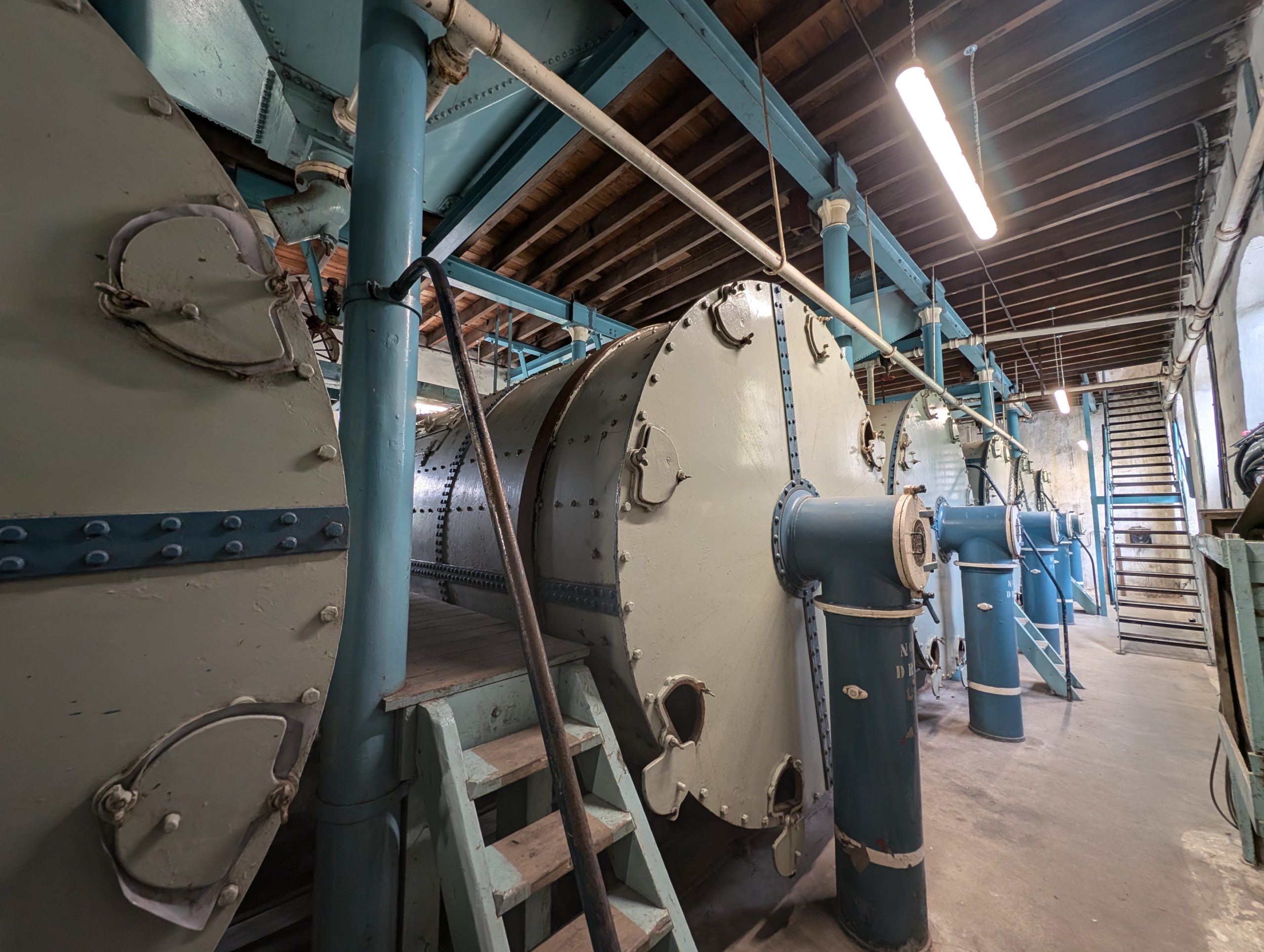
Speyburn Hot Air Drums
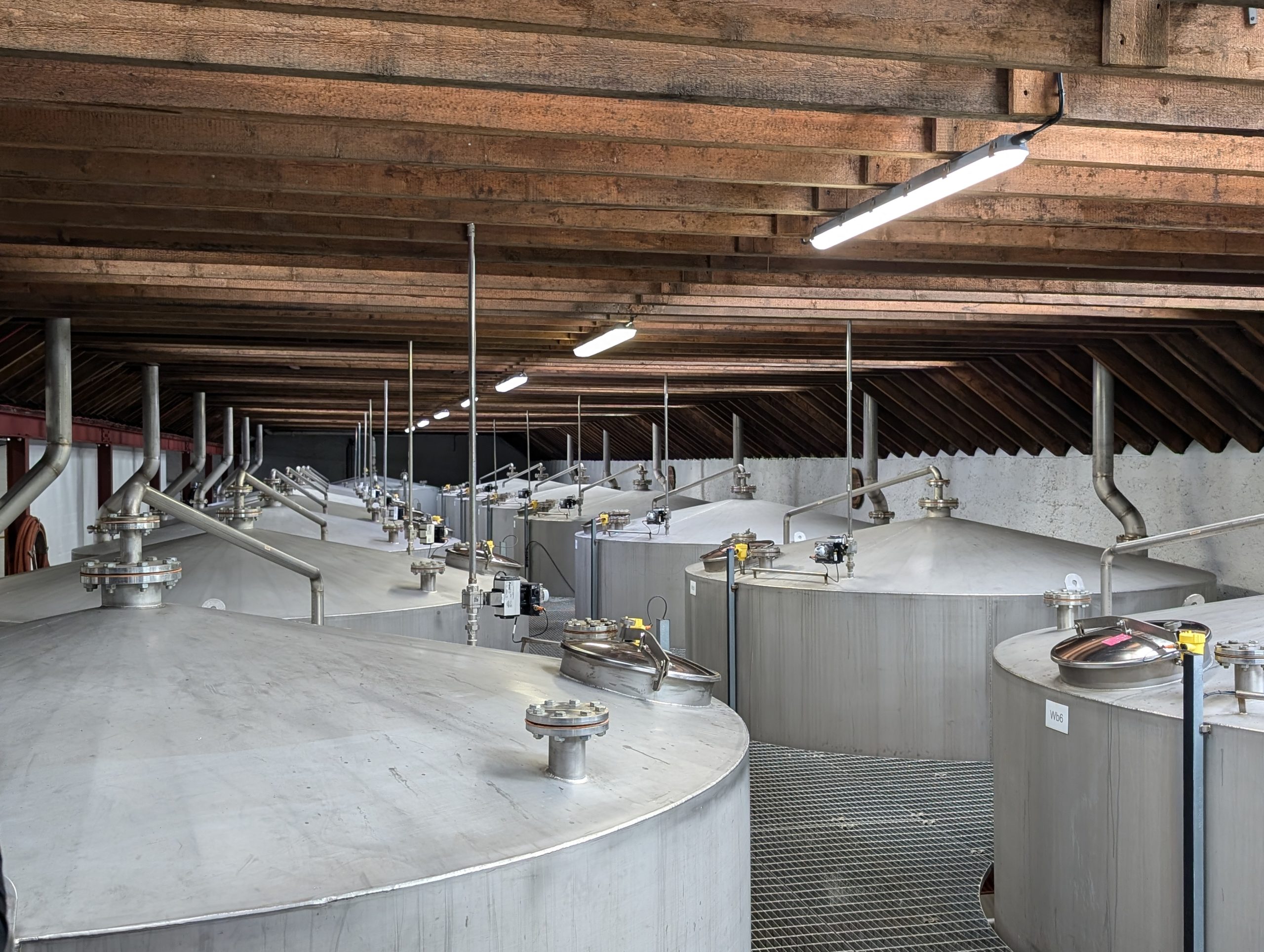
Speyburn Stainless Steel Washbacks
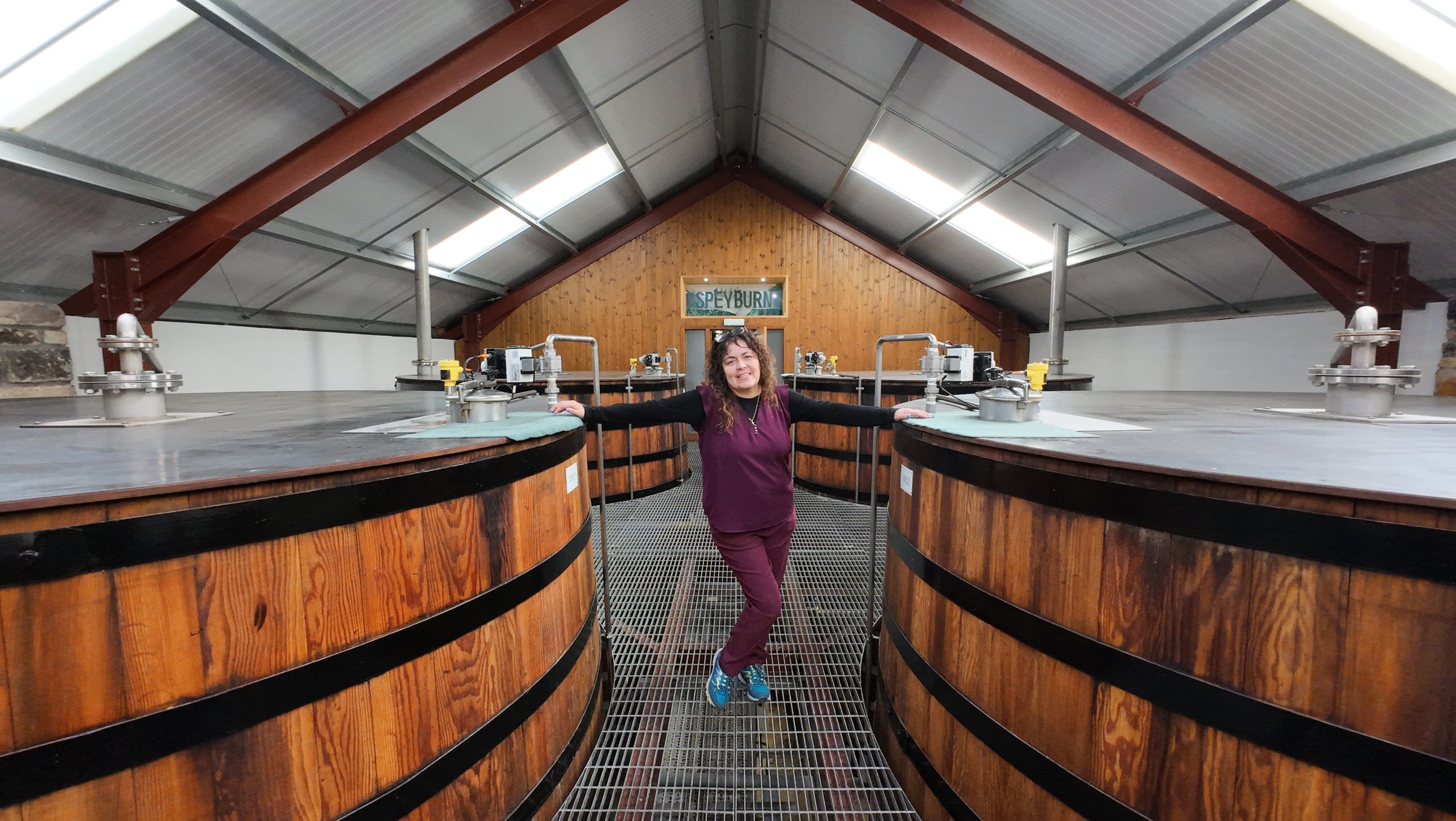
Speyburn Wooden Washbacks
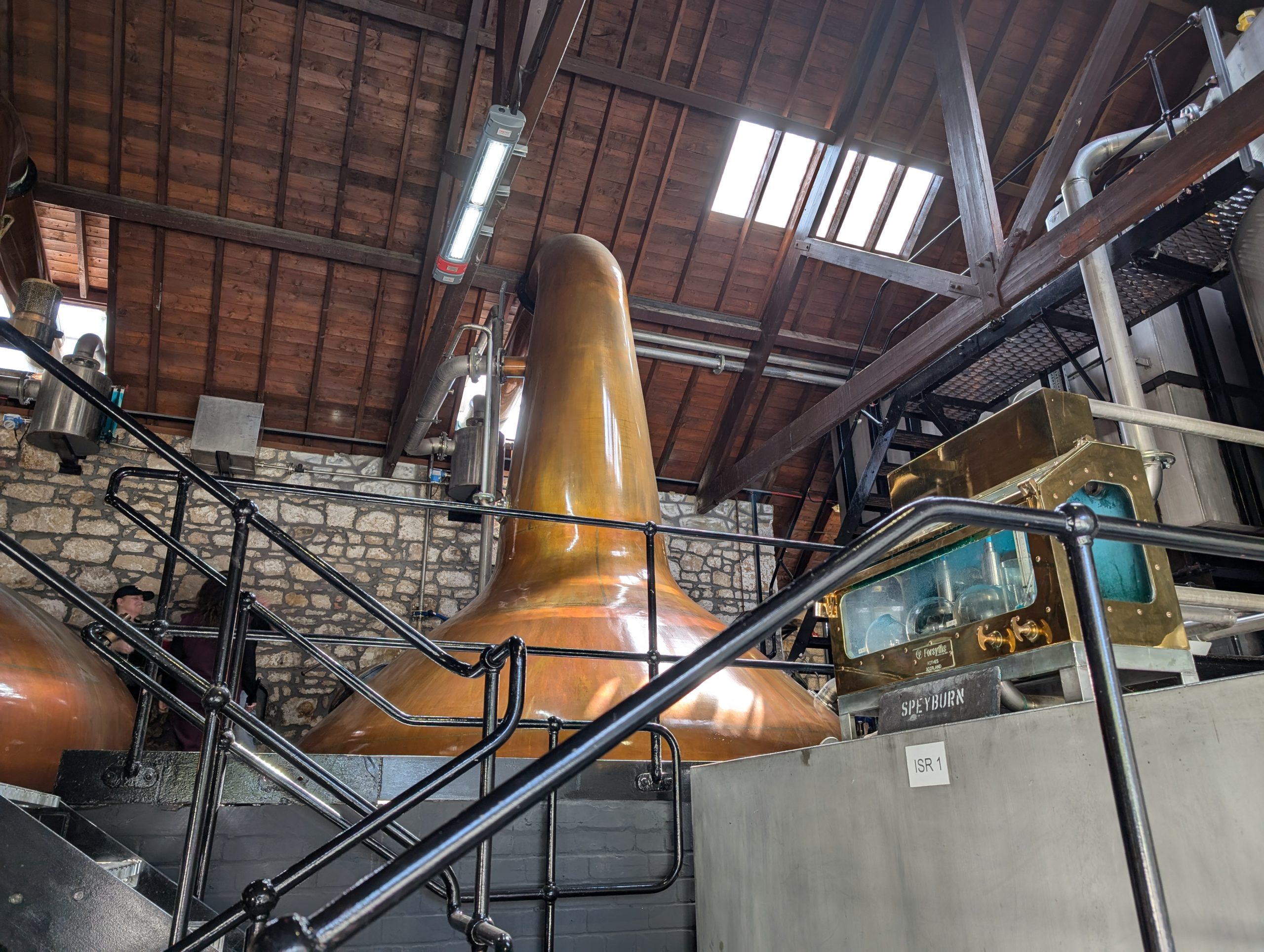
Speyburn Stills
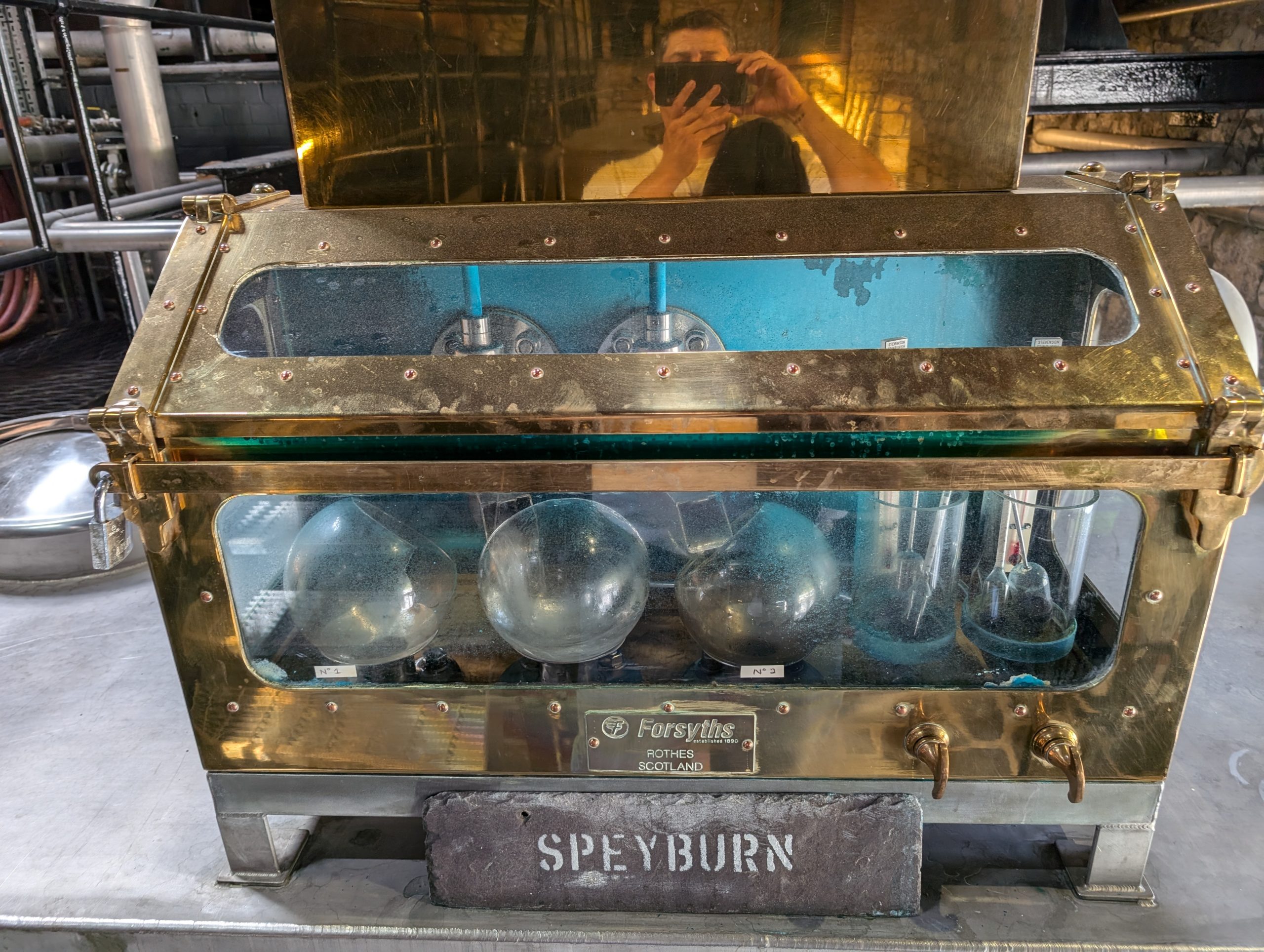
Speyburn Safe
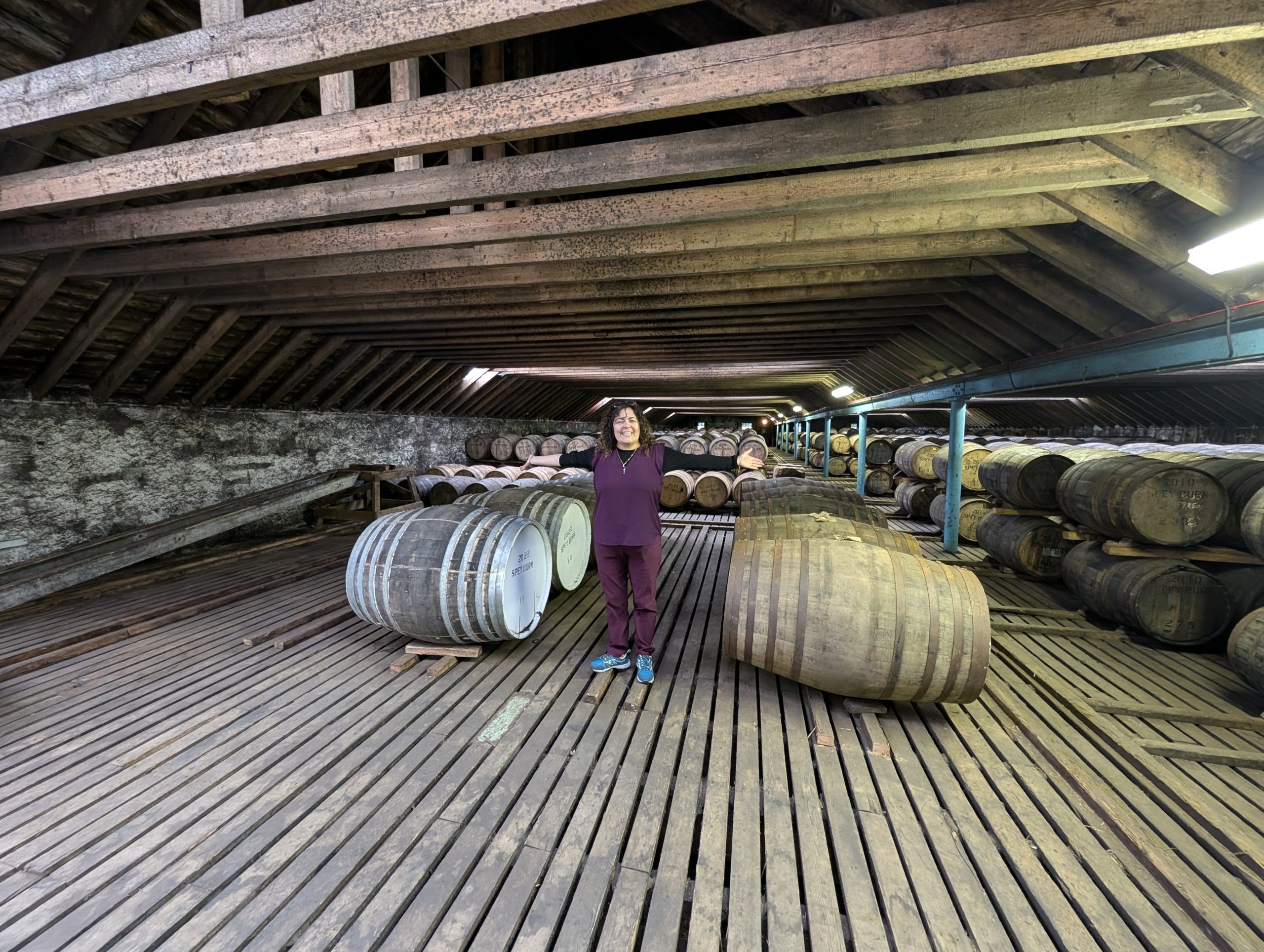
Speyburn Dunnage Warehouse
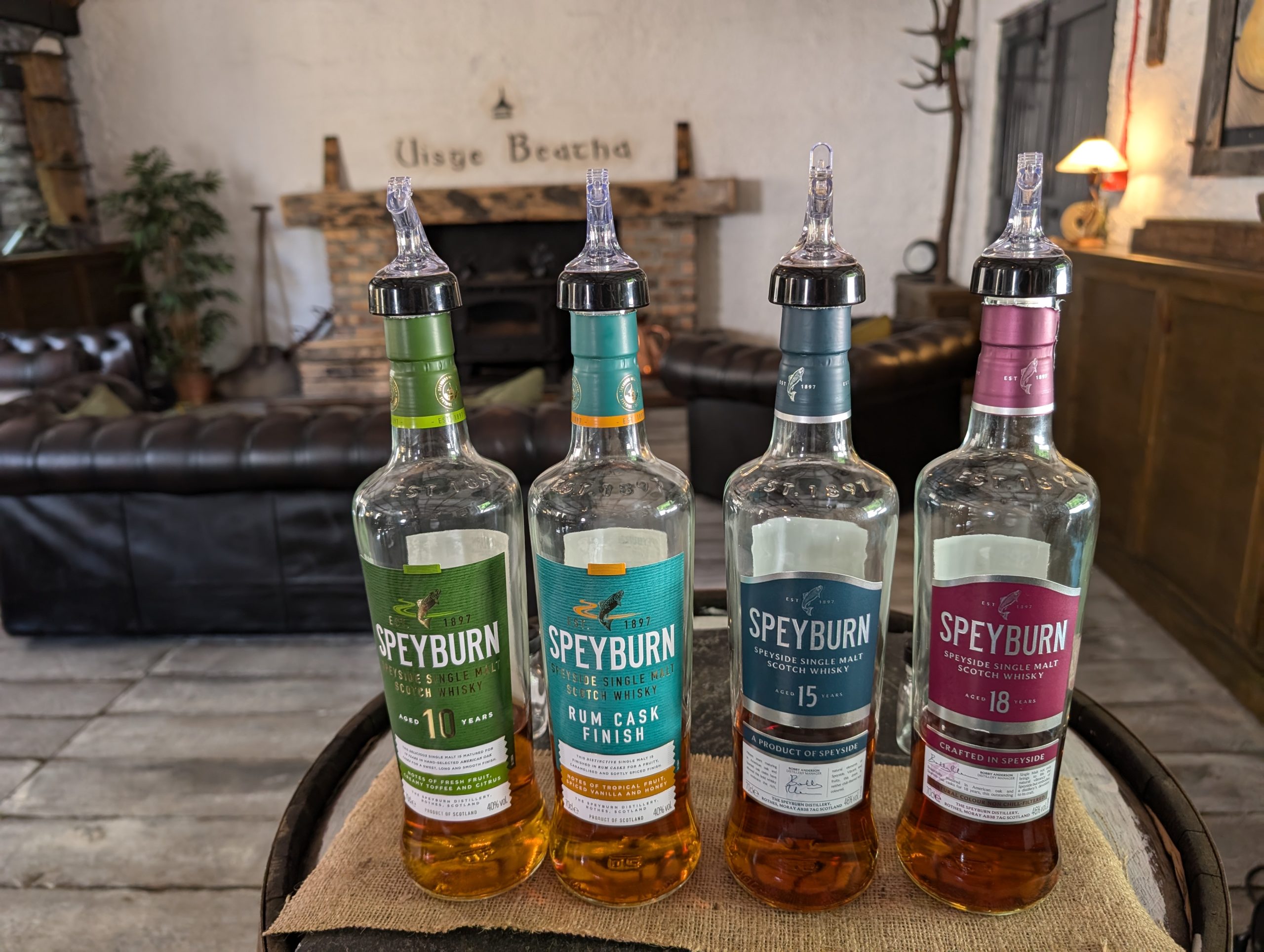
Speyburn Tasting